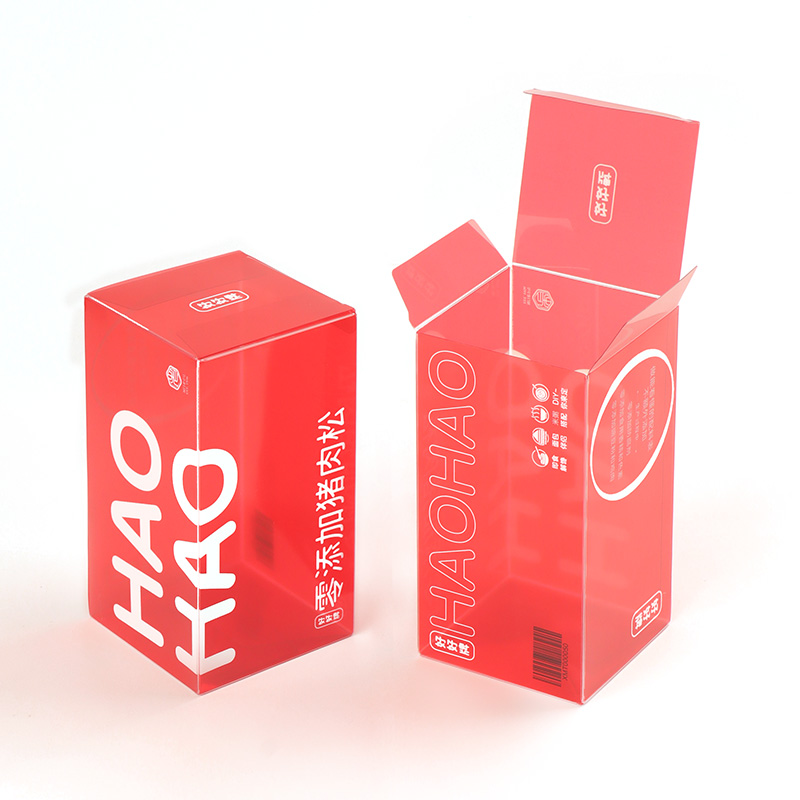
In daily life, food packaging is the first barrier between us and food, and its safety is directly related to our health. Among many food packaging materials, polyvinyl chloride (PVC) is widely used in the production of various food packaging boxes due to its excellent physical properties and processing performance. However, the safety of PVC food packaging boxes has always been the focus of public attention. This article will carefully explore the application of PVC in food packaging and the potential safety hazards it may bring, aiming to provide consumers with a comprehensive perspective so that they can choose food packaging materials more wisely.
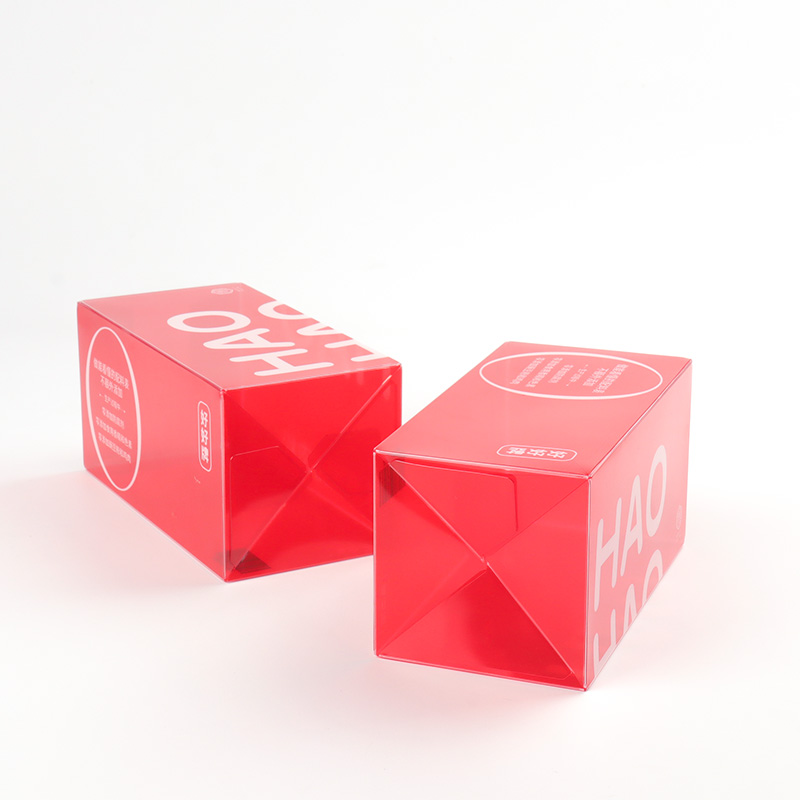
Wide application of PVC food packaging boxes
PVC, or polyvinyl chloride, is a thermoplastic obtained by polymerization of vinyl chloride monomer. Because of its light texture, high transparency, low processing cost and easy molding, PVC has become one of the ideal materials for making food packaging boxes. From fruit and vegetable packaging on supermarket shelves to takeaway boxes and ready-to-eat food containers on family tables, PVC food packaging boxes are everywhere. In particular, those PVC food packaging boxes with exquisite design and good sealing performance (such as transparent boxes for ready-to-eat salads, sushi and other cold meals) are deeply loved by consumers. They can not only effectively maintain the freshness and taste of food, but also are easy to carry and store, which greatly facilitates modern fast-paced life.
Safety hazards of PVC food packaging boxes
Although PVC food packaging boxes are widely used in daily life, their safety is not impeccable. The key lies in the chemicals added during the processing of PVC, especially plasticizers and stabilizers.
Migration of plasticizers: In order to enhance the flexibility and plasticity of PVC, a certain amount of plasticizers, such as phthalates (DEHP), are usually added during the production process. However, these plasticizers may migrate and enter the food when they come into contact with food. Long-term intake of foods containing plasticizers may have adverse effects on the human endocrine system, reproductive system, etc., especially children and pregnant women are more sensitive.
Stabilizer residues: PVC is susceptible to degradation due to light, heat and oxygen during processing and storage, so stabilizers need to be added to improve its stability. Certain stabilizers, such as lead salts, may also migrate into food if not strictly controlled, posing a potential threat to human health.
Risks of recycling and reuse: PVC materials themselves are not easy to degrade, and improper handling during the recycling process may lead to the accumulation of harmful substances, increasing the risk of food contamination. Therefore, the safety of PVC food packaging boxes recycled through informal channels is even more difficult to guarantee.
How to safely choose PVC food packaging boxes
Faced with the potential safety hazards of PVC food packaging boxes, consumers should be more cautious when choosing:
Check the label: PVC food packaging boxes produced by regular manufacturers usually have information such as material composition, scope of use, production date and expiration date on the product. Consumers should give priority to products marked with "food grade" and "food contact safety".
Avoid high-temperature heating: PVC is more likely to release harmful substances at high temperatures, so PVC food packaging boxes should be avoided from being heated in microwave ovens or directly contacting high-temperature food.
Reduce reuse: Although PVC food packaging boxes are easy to clean and reuse, frequent use will increase the risk of chemical migration. It is recommended to use disposable or degradable food packaging materials as much as possible.
Choose environmentally friendly alternatives: With the improvement of environmental awareness, many food packaging boxes made of natural materials such as paper, corn starch, and PLA (polylactic acid) have appeared on the market. These alternatives are not only safe and environmentally friendly, but also can effectively reduce the generation of plastic waste.
In short, the safety of PVC food packaging boxes is a complex and multifaceted topic. As consumers, we should enhance our awareness of self-protection and reduce potential health risks by understanding product ingredients, using them correctly and choosing environmentally friendly alternatives. At the same time, the government and relevant agencies should also strengthen supervision, promote the green transformation of the food packaging industry, and jointly protect the safety of our dining tables.
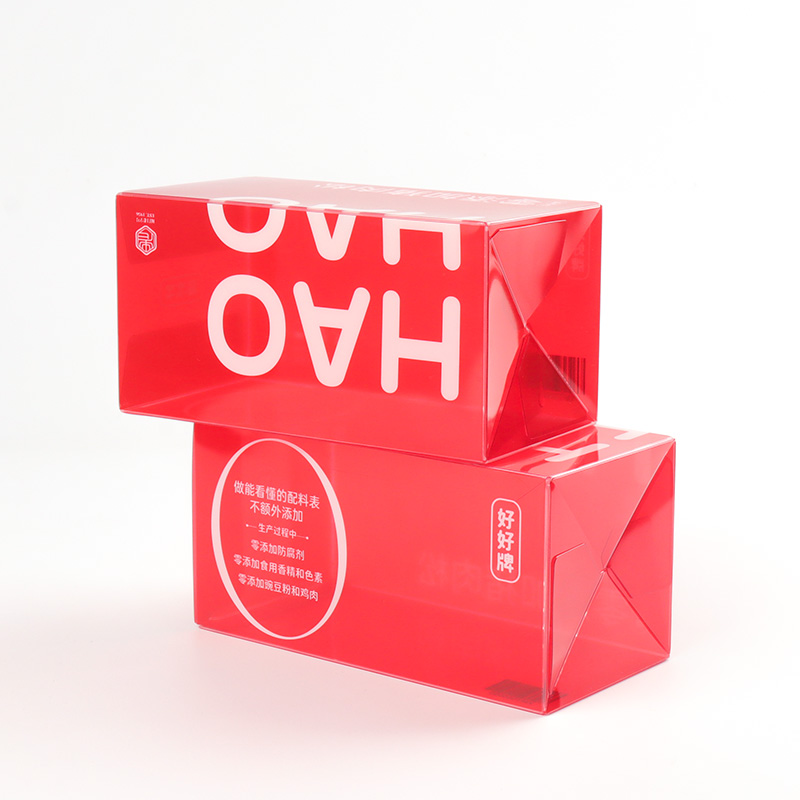
Why choose Jiangxin
Jiangxin Company has been deeply involved in the printing and packaging professional field for more than 16 years. It has now developed into an enterprise with many advanced equipment and skilled technicians, and has become one of the well-known manufacturers in the industry. We have introduced a number of advanced production equipment imported from Germany designed for plastic box packaging production, and equipped with a world-class 8-color printing machine to meet the diverse printing needs of customers and focus on the production of packaging boxes.
Jiangxin Company provides a variety of product packaging, covering various types of PVC, PP, PET transparent packaging boxes, soft wire boxes, curling cylinders and blister products. We are good at high-frequency hot pressing soft bags, offset printing, silk screen printing, hot silver, UV frosting and other processes, which are widely used in cosmetics, gifts, handicrafts, stationery, food and other industries. Customers can customize the shape, size, material and printing effect according to their own needs. With professional technology and rich experience, our packaging can effectively enhance your product image and sales performance.
Conclusion
In summary, PVC plastic food packaging boxes play an indispensable role in the food industry. With their high transparency, strong durability and customizability, they meet the needs of food packaging for safety, hygiene and convenience. At the same time, with the enhancement of environmental awareness and the continuous advancement of technology, the environmental protection and sustainability of PVC plastic food packaging boxes are also constantly improving.
However, as a consumer, you still need to be cautious when choosing PVC plastic food packaging boxes. Products marked with "food grade" and "food contact safety" should be given priority, and the packaging boxes should be avoided for high-temperature heating or long-term storage of food. In addition, you can also consider choosing recyclable or biodegradable PVC plastic food packaging boxes to reduce pollution to the environment.
Related Products